
Thierry Leproust Exhibition
チエリー・ルプルースト 展
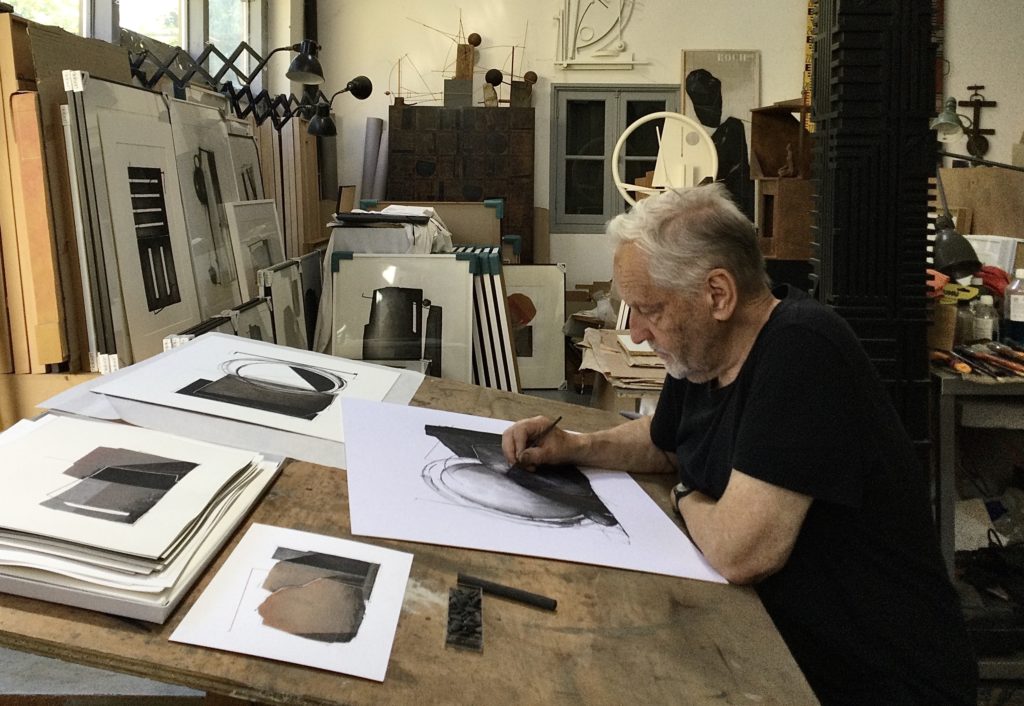
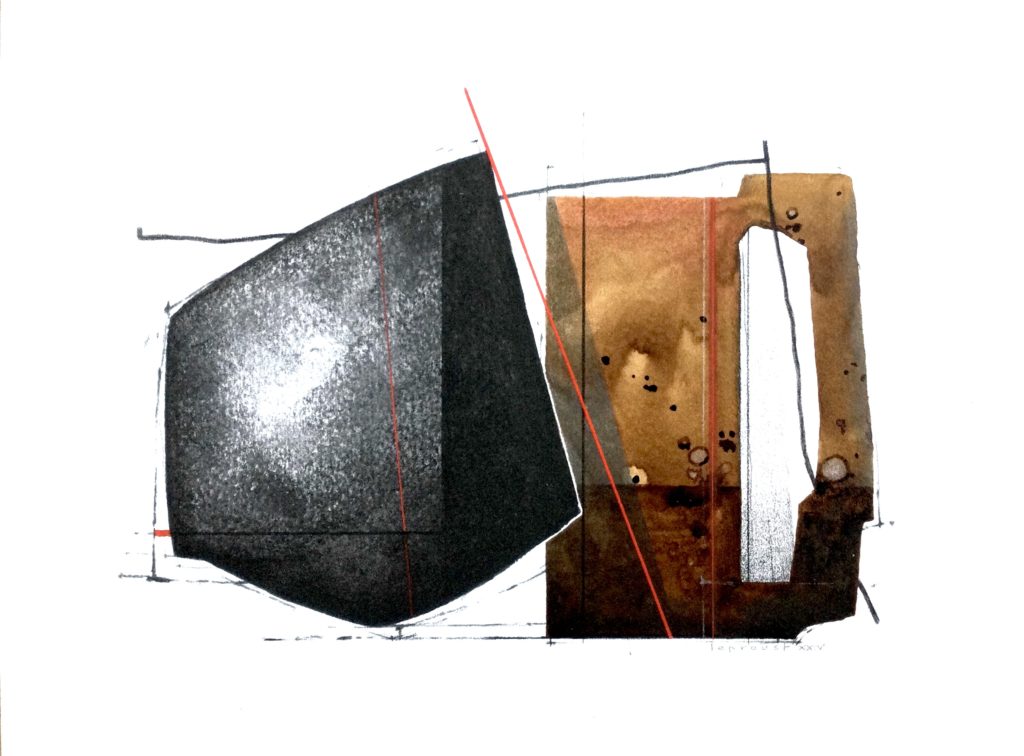
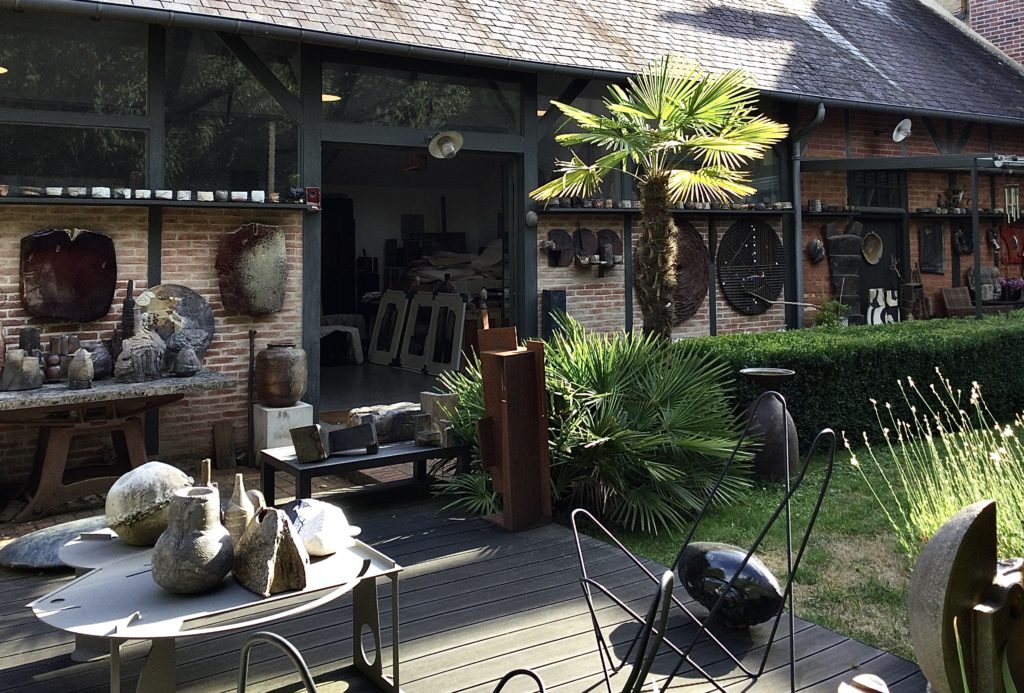
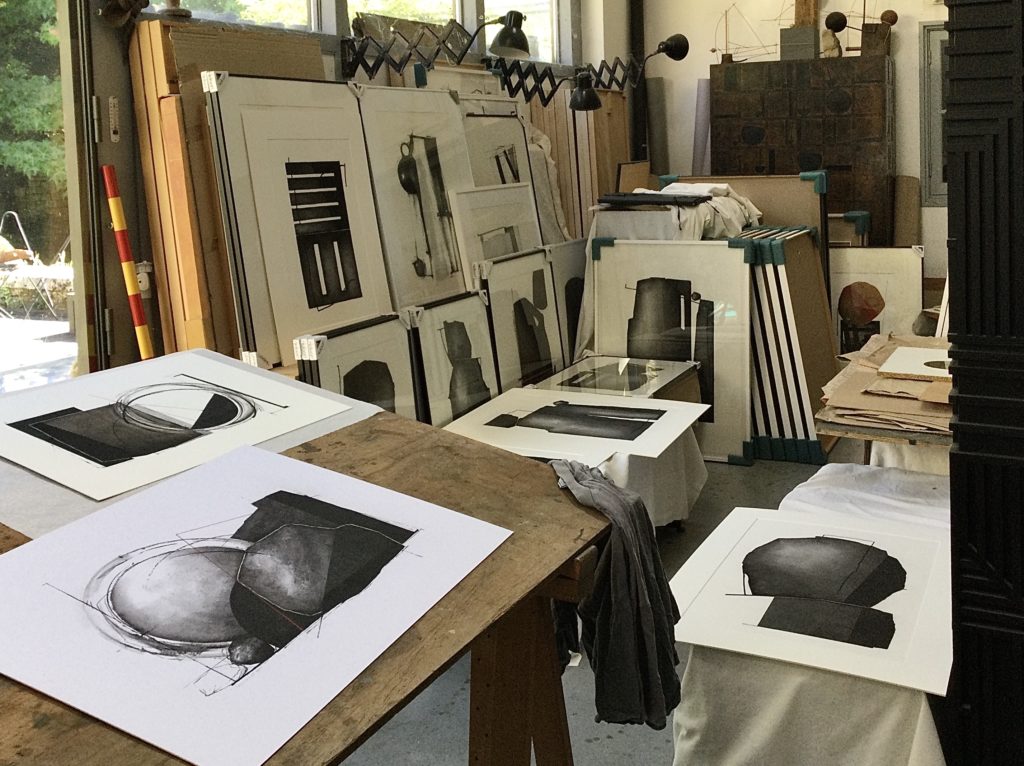
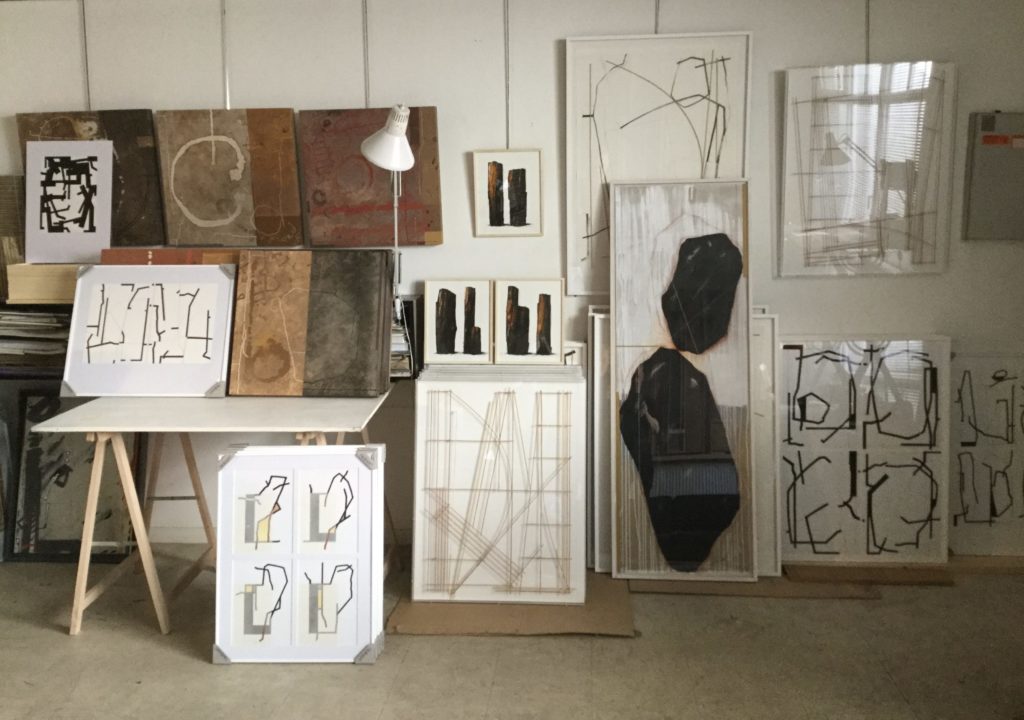
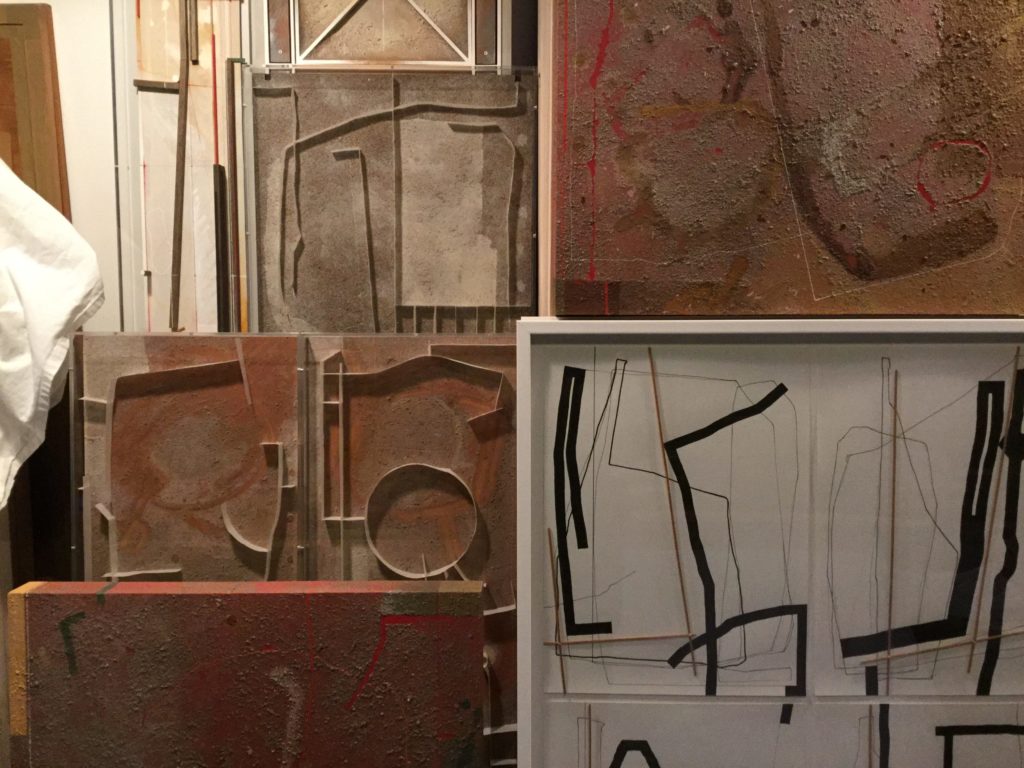
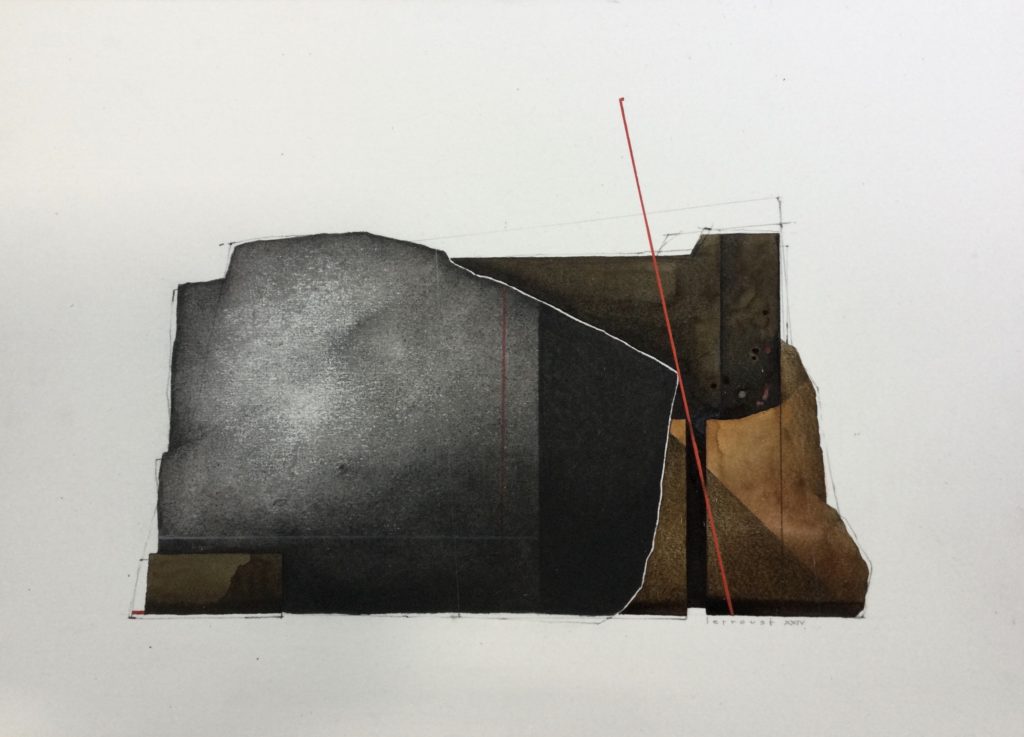
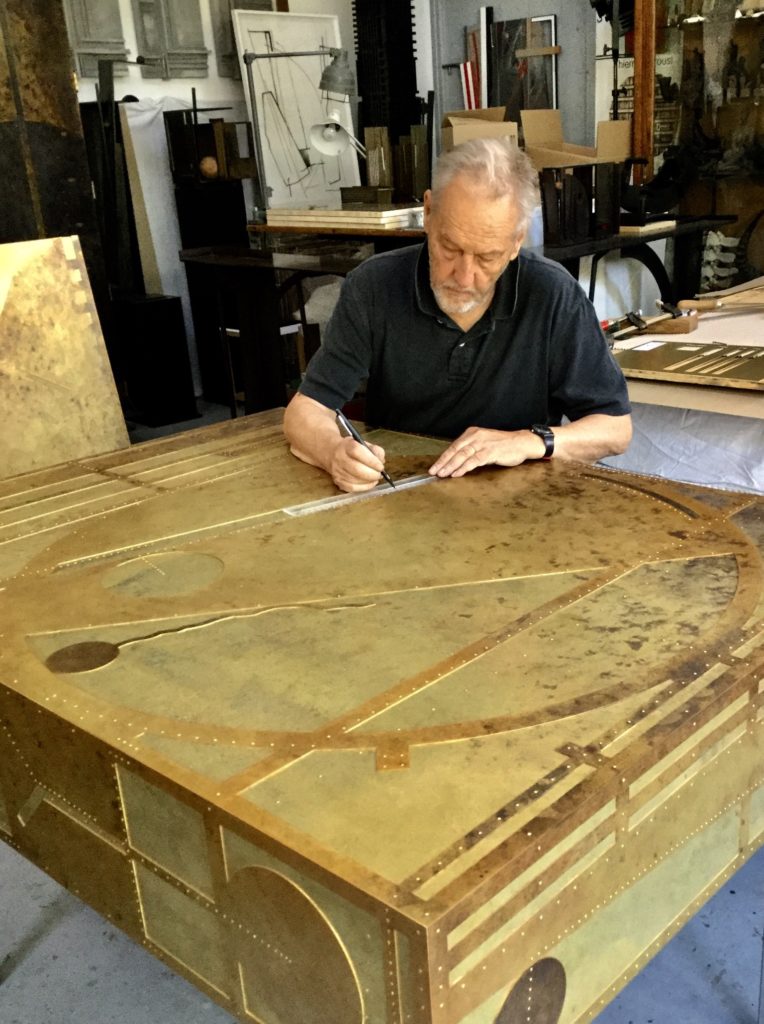
Thierry Leproust Exhibition
チエリー・ルプルースト 展
1. ティエリー・ルプルーストとは誰か?
ティエリー・ルプルーストはフランスのアーティストで、画家・彫刻家・デコレーター・舞台美術家として活動しています。
1948年、ニエーヴル県に生まれました。国籍:フランス。視覚芸術と舞台芸術を融合させる多才なアーティストです。
2. 経歴と学歴
彼はエコール・ブール(École Boulle)で室内建築、デザイン、彫刻を学びました。
1969年に室内建築のディプロマを取得。
1970年代初頭、室内建築事務所で製図・デザインの仕事を始めます。
1970年代半ばから、絵画・現代アート作品を発表し始めました。
3. 活動分野
ルプルーストは一分野にとどまらず、複数の領域を組み合わせています:
絵画・彫刻/視覚芸術:1975年以降、フランス国内外で定期的に展示。
舞台美術(演劇・ダンス・オペラ):1980年代から舞台セットを多数制作。
映画美術:1983年以降、映画の美術監督・セットデザイナーとして活動。
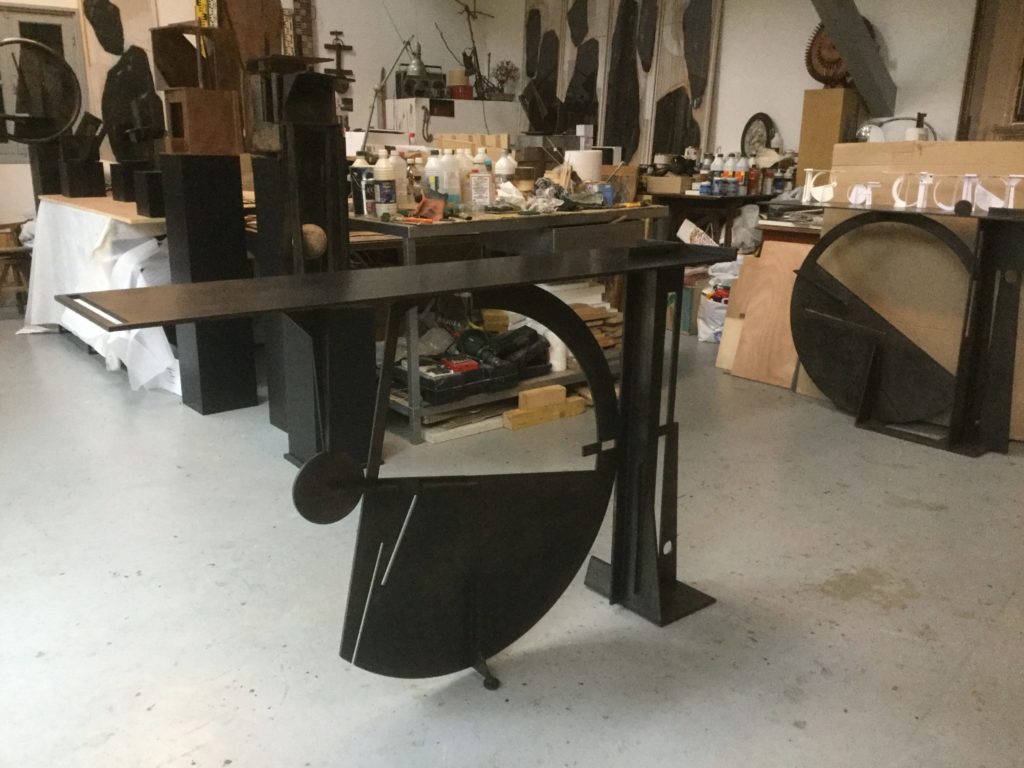
家具彫刻・インテリアデザイン/アート家具:1990年ごろから、彫刻的で機能性のある一点物の家具オブジェを制作。
絵画・彫刻という純粋な創作、デザイン/インテリア、そして舞台芸術・映画を横断する活動が特徴です。
4. 主な作品・コラボレーション
彼が参加した舞台作品・オペラ・映画・展覧会の一例:
振付家アンジュラン・プレルジョカージュ(Angelin Preljocaj)との仕事
『Amer America』(1990)、『La Peau du Monde』(1992)、『Le Parc』(1994)、『火の鳥』(1995)、『カサノヴァ』(1998)、『春の祭典』(2001)、『メデアの夢』(2004)、『白雪姫』(2008)などの舞台美術を担当。
映画 — ミシェル・ドヴィル(Michel Deville)監督作品『La Lectrice』『Le Paltoquet』などで美術を担当。
画家として — 1970年代以来、個展・グループ展多数。
アート家具デザイン — 形態・素材・彫刻性・機能性を組み合わせた一点物の家具彫刻を制作。
5. 作風・芸術観・独自性
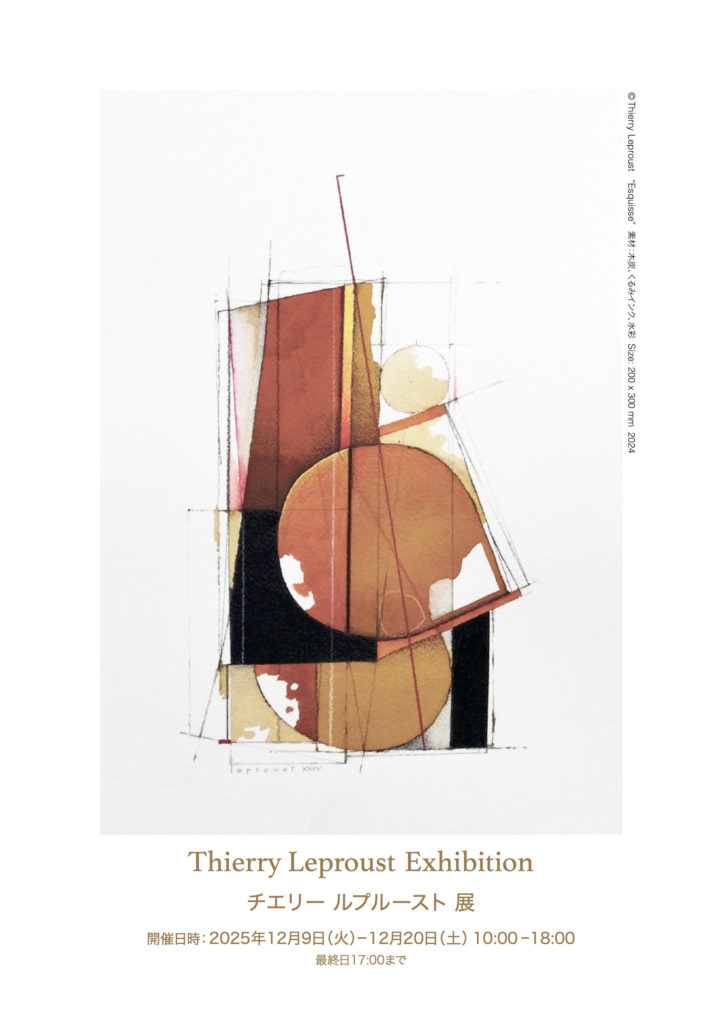
ルプルーストにとって「デッサンこそがすべての基礎」であり、彼自身もそう語っています。
彼は「無意味な形の効果」を拒み、洗練された線、空間の“充実と空虚”の厳格なバランス、抽象と写実を行き交うデザインを追求します。
家具彫刻はその象徴で、機能的な家具でありながら芸術作品として扱われるもので、ミニマルだが素材と仕上げにこだわっています。
舞台美術においても、この厳密な造形感覚が演劇・ダンス・映画にふさわしいエレガンスを生み、簡素で思索的でありながら強い感情を喚起します。
彼の作品は、機能性・抽象性・芸術性を融合し、視覚芸術・デザイン・舞台芸術をつなぐ存在です。
6. なぜティエリー・ルプルーストを学ぶのか — その重要性
彼は多分野にまたがるアーティストであり、芸術における学際性の可能性を示しています。
彼の手法 — 簡潔さ、抽象性、美意識の融合 — は、デザイン、舞台美術、現代アートを理解する上で示唆に富んでいます。
演劇・ダンス・映画界の著名アーティストとの協働は、舞台美術が作品の魅力を左右する重要な要素であることを示しています。
彼のキャリアを学ぶことは、アーティストが家具、展示、舞台、映画といった複数領域を横断し、適応する方法を理解することにもつながります。
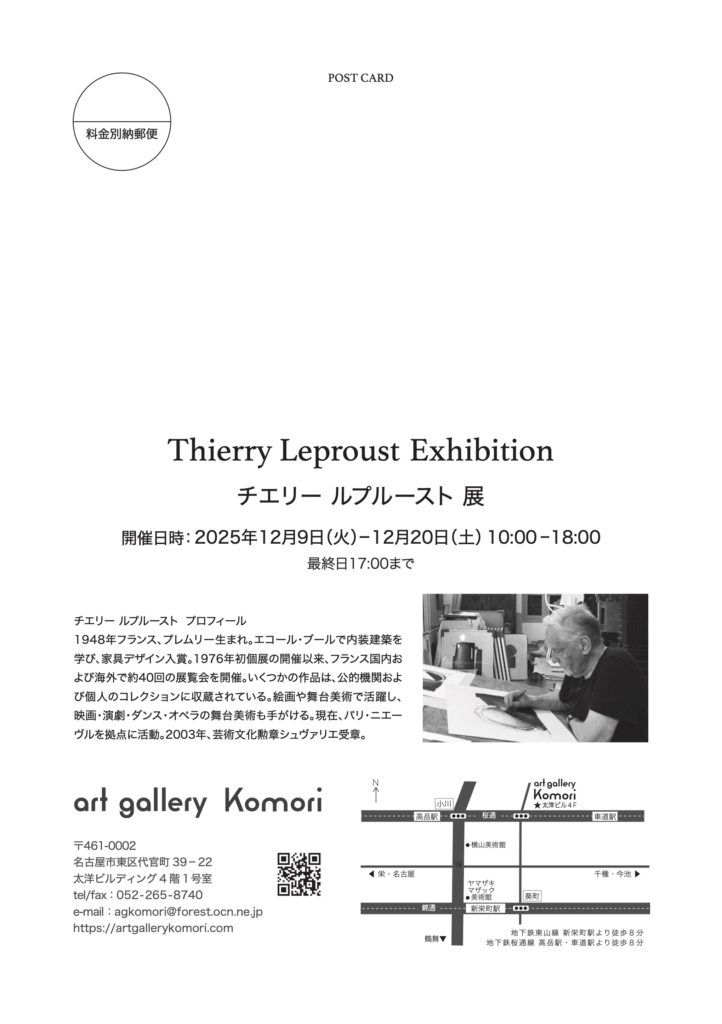
- 会期
- 2025.12.09-12.20
- 時間
- 10:00-18:00
- イベント
- 作家在廊日:12月9日(火)、12月10日(水)、12月17日(水)、12月18日(木)、12月19日(金)
- 備考
- 最終日17時まで
1. Who is Thierry Leproust?
Thierry Leproust is a French artist: painter, sculptor, decorator, and scenographer.
He was born in 1948 in the Nièvre department. Nationality: French.
He is a versatile artist combining visual arts and performing arts.
2. Background & Education
He studied at the École Boulle, specializing in interior architecture, design, and sculpture.
He obtained his diploma in interior architecture in 1969.
In the early 1970s, he began his career as a draftsman / designer in an interior architecture firm.
He started exhibiting his works — painting / contemporary art — in the mid-1970s.
3. Fields of Activity
Thierry Leproust does not limit himself to a single discipline. He combines several activities:
Painting & sculpture / visual art: he has exhibited regularly since 1975, in France and abroad.
Scenography / sets for theatre, dance, opera: since the 1980s, he has designed stage sets for performances.
Film set design: he has worked as a production designer / set designer for several films since 1983.
Furniture-sculptures & interior design / art furniture: beginning in 1990, he created furniture-objects — unique pieces considered as utilitarian sculptures.
His work blends pure creation (painting, sculpture), design / interior architecture, and performing arts / cinema.
4. Key Works / Collaborations
Some examples of productions, operas, films, and exhibitions he contributed to:
For choreographer Angelin Preljocaj — he designed sets for several ballets including Amer America (1990), La Peau du Monde (1992), Le Parc (1994), The Firebird (1995), Casanova (1998), The Rite of Spring (2001), Le Songe de Médée (2004), and Snow White (2008).
For cinema — he designed sets for films by Michel Deville, including La Lectrice and Le Paltoquet.
As a painter/exhibiting artist — he has exhibited in solo and group shows since the 1970s.
In art furniture / design — he has created furniture-sculptures (unique pieces), playing with form, material, sculpture, and functionality.
5. Style, Artistic Philosophy & Originality
For Leproust, drawing has been the basis of everything: “drawing has been the foundation of everything,” he says.
He rejects “gratuitous formal effects”: his work favors clean lines, a rigorous interplay between full and empty space, and an abstract-realist design.
His furniture-sculptures illustrate this principle well: they are utilitarian objects but considered full-fledged works of art — often minimalist, with careful materials and finishes.
In scenography, this plastic rigor leads to great visual elegance, well suited to theatre, dance, and cinema — a sober, thoughtful style that carries strong emotion.
His work blends utility, abstraction, and artistic sensitivity — a bridge between visual art, design, and performance.
6. Why Study Thierry Leproust — What Makes Him Important?
He embodies artistic versatility: visual artist, designer, scenographer — showing the potential of interdisciplinarity in the arts.
His approach — combining sobriety, abstraction, and aesthetic sensitivity — offers insight into design, scenography, and contemporary art.
His collaborations with major figures in theatre, dance, and cinema highlight the importance of scenography / set design in enhancing a live performance.
Studying his career also helps us understand how an artist can navigate multiple fields and adapt — from furniture design to exhibitions, performing arts, and cinema.
- period
- 2025.12.09-12.20
- time
- 10:00-18:00
- event
- Artist in Gallery: December 9 (Tue), December 10 (Wed), December 17 (Wed), December 18 (Thu), and December 19 (Fri).
- notes
- Until 5pm on final day